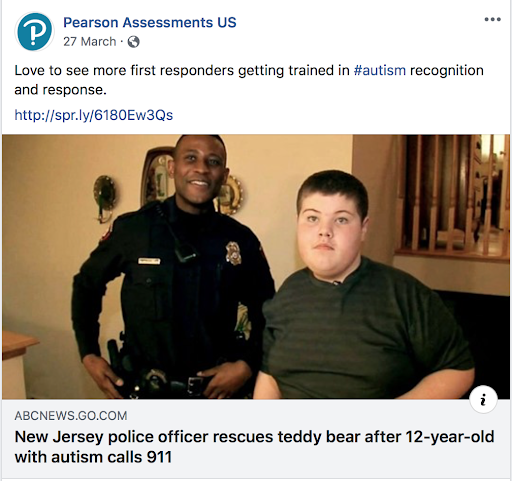
Organizations often struggle to use social media effectively in education markets. Many companies focus on broadcasting product announcements rather than creating meaningful conversations with educators and school leaders.
The challenge was to develop a social media strategy that would:
• increase awareness of new products and initiatives
• engage educators and education leaders in meaningful discussions
• amplify thought leadership and research
• drive traffic to blogs, case studies, and product pages
• support demand generation campaigns and marketing initiatives
Social media programs were developed to support broader marketing initiatives including product campaigns, research promotion, and educator engagement.
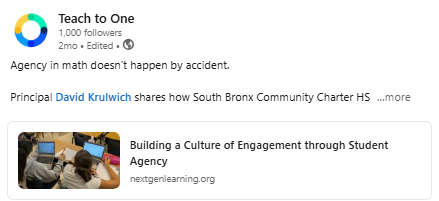
At New Classrooms, social media supported the launch and awareness of Teach to One Roadmaps. Posts highlighted classroom implementation stories, educator insights, and research about mathematics instruction.
At Pearson, social media supported demand generation campaigns by promoting blog content, case studies, and product insights while participating in conversations around assessment and student learning.
At ThinkFree, social media and blogging were used to position the company as a thought leader in the emerging web-based productivity market.
Lessons Learned:Social media campaigns improved significantly when messaging was aligned with the interests and priorities of the audience rather than focusing on product promotion.
Key lessons included:
• educators respond strongly to authentic classroom stories
• thought leadership content performs better than product messaging
• analytics and A/B testing help refine messaging and posting cadence
• successful posts can be amplified through paid promotion and retargeting
• social media works best when integrated with content marketing and email campaigns
The strategy included:
• defining key audience segments including teachers, administrators, and district leaders
• developing messaging aligned to audience needs and priorities
• aligning social media content with marketing campaigns and thought leadership initiatives
• integrating social media promotion with blogs, webinars, and research content
• using analytics to continuously refine messaging and posting strategies
Platforms managed included:
LinkedIn | Twitter | Facebook | YouTube
Each platform played a distinct role in supporting marketing initiatives and reaching different audiences.